
Nike
SNKRS vs Retail Partners: How to Choose Where to Enter a Sneaker Drop
Compare Nike SNKRS launches with retail-partner drops, including entry methods, Exclusive Access, shipping, returns and the seller responsible for your order.
Last updated
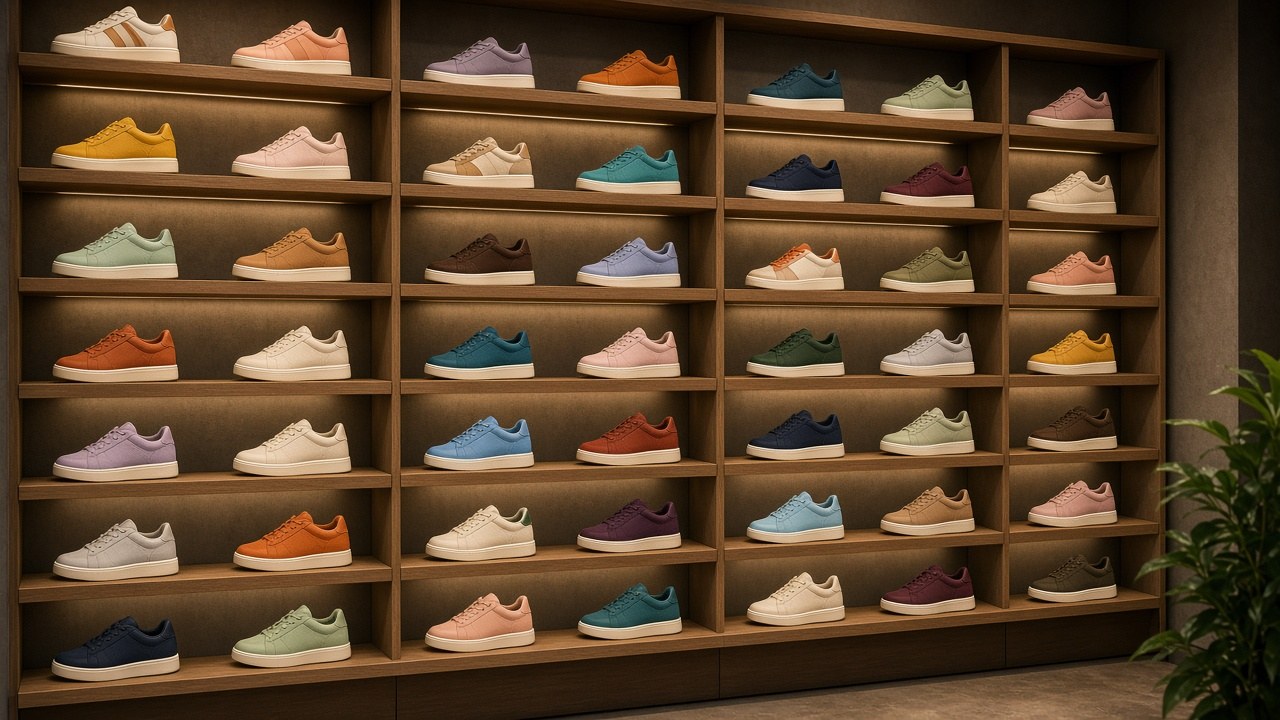
A sneaker can be associated with a Nike SNKRS launch while also appearing through other stores. That does not make every purchasing route interchangeable. The useful comparison is not just which page shows the shoe, but who is taking the order, what entry method is offered, and which seller's shipping and return rules will apply. (nike.com)
Start by identifying the actual seller
SNKRS is Nike's launch experience. A retail partner is a separate merchant when it sells inventory through its own checkout or store. If a shoe appears on both, you should treat the two offers as separate purchasing opportunities, not assume one entry registers you for the other. Check the actual website or app, the merchant named at checkout, the product details, and the terms attached to that transaction.
The seller distinction matters after a successful purchase. Nike publishes its own return policy and shipping guidance for Nike orders. A purchase from another merchant is governed by that merchant's applicable policies, not automatically by Nike's direct-order rules. Even when the shoes are identical, your order confirmation and customer-service route may be different.
Build a simple comparison before release day: the seller, the launch or entry opening time, whether an entry or checkout is required, whether you can select a size, the displayed price, the delivery estimate, and the return terms. Do not treat a screenshot from a release calendar as a substitute for the merchant's own product page.
SNKRS does not use just one access method
Nike describes Exclusive Access on SNKRS as an invite-only launch. It says selection criteria can change and that users cannot guarantee access by trying to reverse-engineer the process. Nike also describes Exclusive Draw as an invite-only randomized selection launch in which invited users receive the same amount of time to enter and selection starts after the draw closes.
Those descriptions show why the phrase “SNKRS drop” is not enough to tell a shopper exactly how a purchase will work. An invitation, a timed entry, and a normal purchase flow are not the same experience. Read the instructions shown for the specific product and launch rather than assuming every release is a first-come checkout or every entry guarantees a purchase.
Nike advises users with Exclusive Access to keep SNKRS installed and push notifications enabled because invitations are time-limited. That is a useful precaution for Nike's own launch experience. It does not imply that another retailer's email, raffle, or in-store procedure will be synchronized with Nike's notifications.
Compare opportunities without assuming inventory is shared
Imagine a shoe advertised at a hypothetical $180 retail price on two sites. On one, Nike offers an invitation-only opportunity; on the other, a retailer announces its own entry period. Those are two distinct sets of instructions. The price may match while the selection process, fulfillment date, tax, shipping charge, and eligibility conditions differ. The $180 figure is an example, not a price claim about an actual release.
A retailer's listing is not proof that its available sizes, entry deadline, or stock quantity match Nike's. Likewise, an unsuccessful entry in one channel says nothing definite about your eligibility or chances in another. There is no sound basis to calculate a universal win rate across stores without release-specific entry and allocation data.
Rather than chasing a purported secret advantage, prioritize official information. Record the product name and identifying details from each listing. Check whether the launch is online, app-based, or in person. Read whether the merchant asks you to enter during a window or complete a purchase immediately. Follow the seller's posted rules about eligibility and duplicate entries.
After a successful entry, look at the order status
An invitation to enter is not the same thing as an order that has shipped. Nike's shipping guidance says it provides an estimated delivery date at checkout and sends a shipping confirmation email with tracking when the order ships. It also notes that orders can arrive in separate packages and through different carriers. Check your actual order status before interpreting a missing package as a canceled purchase.
For any retailer, preserve the receipt and confirmation number. Verify the charge against the merchant identified on the checkout page. If you have entered multiple opportunities, avoid assuming that one pending transaction is the result of a different entry. Keep the separate emails or app notifications organized by seller and product.
Returns and cancellation are part of the comparison
Nike's own return policy is the appropriate source for Nike direct purchases. A retail partner may set different eligibility requirements, time windows, or procedures. A shopper should check those terms before committing to a limited release, especially if the order is for a gift or the size is uncertain. Do not infer a retailer's policy from Nike's help center.
The comparison also includes the cost of a mistake. A shoe advertised at the same base price may produce different totals after shipping and tax. A policy that restricts returns on a particular product may make an otherwise attractive entry less useful. Read the terms for that exact purchase, including any launch-specific exceptions, rather than relying on general memories of past drops.
A practical release-day decision
If you have time to prepare for only one channel, choose the one whose eligibility rules, checkout method, and post-purchase policies you understand. If you use more than one legitimate channel, maintain a separate record of each entry and avoid breaching the merchant's rules. Treat an Exclusive Access notification as a time-sensitive opportunity, not a guarantee of a shoe.
The distinction is simple but consequential: Nike controls the SNKRS experience and its direct orders; an independent retail partner controls its own sales process. Comparing those processes carefully is more useful than assuming a product listing at multiple stores represents one common raffle.